


Advantages of Silicon Carbide Castable in the Application of Vehicle-Mounted Waste Incinerator Lining
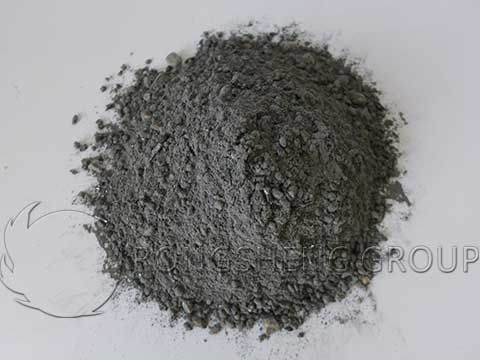
Characteristics of Silicon Carbide Castables. Silicon carbide castables are composite castables with many excellent properties. They exhibit excellent wear resistance, effectively resisting mechanical wear generated during waste incineration. They also demonstrate good thermal shock resistance, maintaining structural stability even under frequent temperature fluctuations and preventing cracking or spalling. Furthermore, they possess extremely strong corrosion resistance, resisting the erosion of acidic and alkaline components in the complex atmosphere of waste incinerators, providing reliable protection for the furnace lining.
Characteristics and Lining Requirements of Vehicle-Mounted Waste Incinerators
Vehicle-mounted waste incinerators are mobile, box-type industrial kilns transported by truck for incinerating waste, but they cannot handle hazardous waste. These incinerators have a small inner diameter lining and operate intermittently with frequent temperature changes. Therefore, the lining material needs excellent thermal shock resistance to cope with alternating hot and cold operating conditions. Furthermore, due to the incinerator's mobility, the overall integrity of the lining material is crucial to ensure it is not damaged by vibration or other factors during transport.
Advantages of Silicon Carbide Castable Refractories in Vehicle-Mounted Waste Incinerator Linings
Seamless Connection and Airtightness
Silicon carbide castable refractories used in the lining of vehicle-mounted waste incinerators achieve seamless connections and excellent airtightness. Compared to refractory bricks, which have mortar joints between bricks during installation and are susceptible to erosion during combustion, significantly impacting the lining's lifespan, silicon carbide castable refractories offer superior integrity and adaptability to the operational requirements of vehicle-mounted waste incinerators during relocation.
Thermal Shock Resistance and Skin Protection
Vehicle-mounted waste incinerators operate intermittently with frequent temperature fluctuations, placing extremely high demands on the thermal shock resistance of the lining. Silicon carbide castable refractories possess excellent thermal shock resistance, effectively addressing these alternating hot and cold conditions. Furthermore, during waste incineration, the silicon carbide castable forms a film on the lining surface. This film, similar to a skin, provides protection against erosion. In cement rotary kilns, this type of castable is called an anti-scaling castable, and its application in waste incinerators also demonstrates excellent anti-erosion performance.
Erosion Resistance and Service Life
The atmosphere inside a waste incinerator is complex, with a high concentration of acidic and alkaline components, resulting in strong erosion and damage. Silicon carbide castable, made by adding corundum powder, silicon carbide, and alumina micropowder to high-alumina bauxite clinker and using high-grade high-alumina cement as a binder, is a composite castable with extremely strong erosion resistance. This castable effectively resists the erosion caused by the complex atmosphere inside the waste incinerator, thus extending the service life of the furnace lining, superior to other general refractory castables.
Adaptability to Furnace Lining Combustion and Damage Mechanisms
Silicon carbide castable adapts to the combustion and damage mechanisms of waste incinerator linings. Where there is cast iron at the grate of the waste incinerator, when using silicon carbide castable, anchors or wire mesh can be welded according to the shape of the application area to enhance the strength of the castable, prevent burn-through at the application area, and further improve the reliability and service life of the furnace lining. In summary, silicon carbide castables, with their excellent wear resistance, thermal shock resistance, and erosion resistance, are highly suitable for use in vehicle-mounted waste incinerator linings. They meet the requirements of linings in environments with frequent heating and cooling, alternating complex erosion, and mobility, providing reliable protection for waste incinerators and extending the service life of the lining. Therefore, they are an ideal choice for lining materials.
Comments